I have this cheap plastic bird feeder that suction cups to the outside of my kitchen window. I keep birdseed in a cereal tupperware container by the door, and have done a pretty good job of keeping it full. I like to watch the birds while I do the dishes. They know it’s a solid place to land and eat, which is really all I want out of my house.
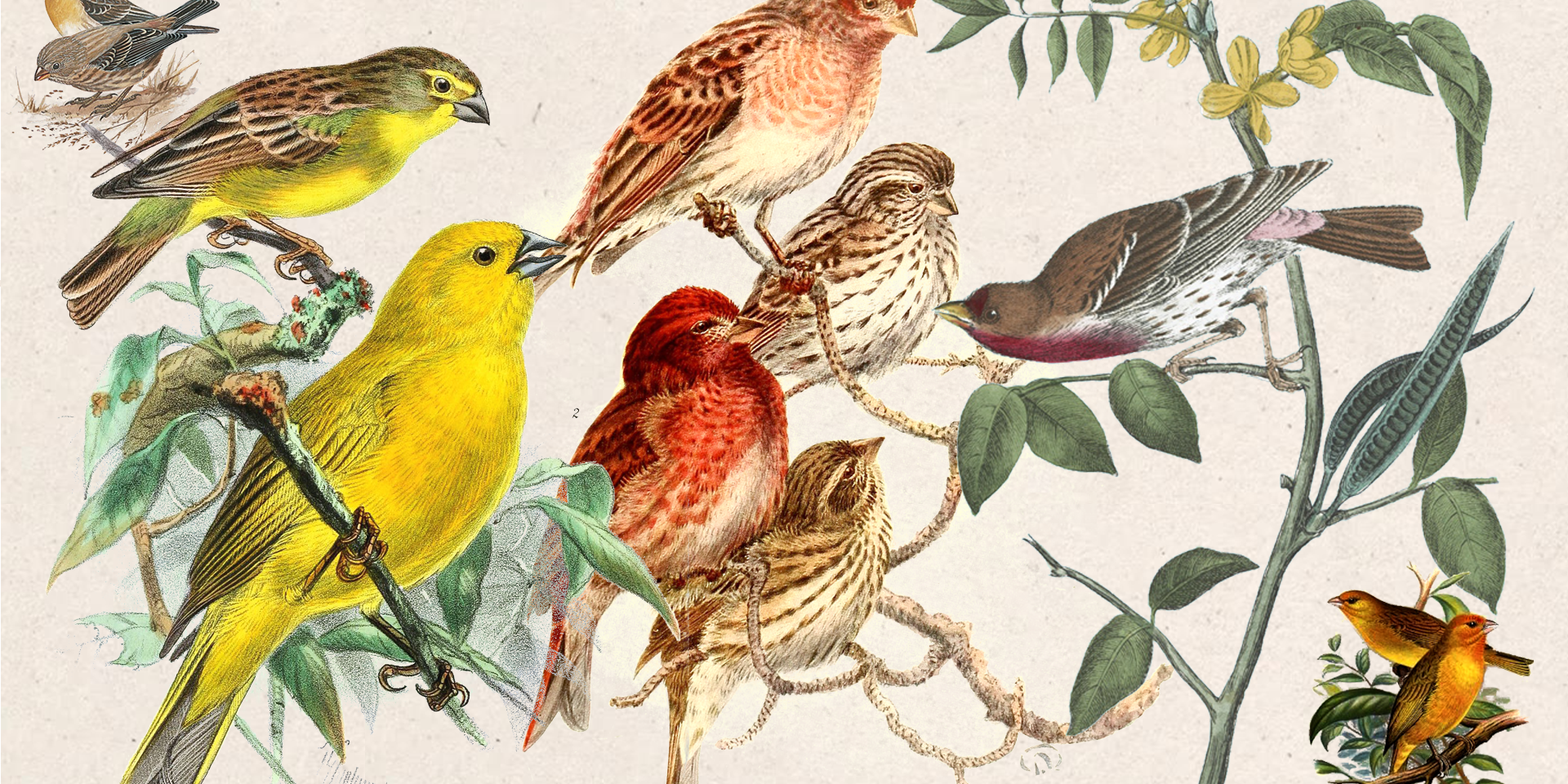
We get a lot of finches in my kitchen window: Purple, Pine Siskin, Lesser, American. They’re my favorite. I grew up with pigeons and seagulls, so these tiny birds feel like jewels. They don’t bother anyone, they just take a bite and leave.
Finches are everywhere, not just Tacoma. They’re an incredible family of birds. Darwin took special note of them in the Galapagos on the HMS Beagle. His curiosity was specific: how can the same bird have so many different shapes of beak? Some were long and flexible to get between rocks, some short and strong to crack nuts and seeds, others sharp and tight to pierce cactus skin. There seemed to be an endless amount of shapes to a key feature of the same bird.
This led to the theory of adaptive radiation. It’s a concept that shows how a species, given a new environment, can and must adapt. The finch is a champion at this, an animal that has adapted excellently to every challenge thrown at it.
Any creative endeavor requires adaptation. Storytelling is unruly, and demands an at-once specific yet flexible skillset. Telling a company’s story is creative adaptive radiation at its best.
I like doing dishes. I did them professionally in Los Angeles for a while. There’s a hypnotism that comes from washing dishes, and the satisfaction of an empty sink. There’s something about spraying the sink clean, with the finches in the window, that feels pretty inspiring.